


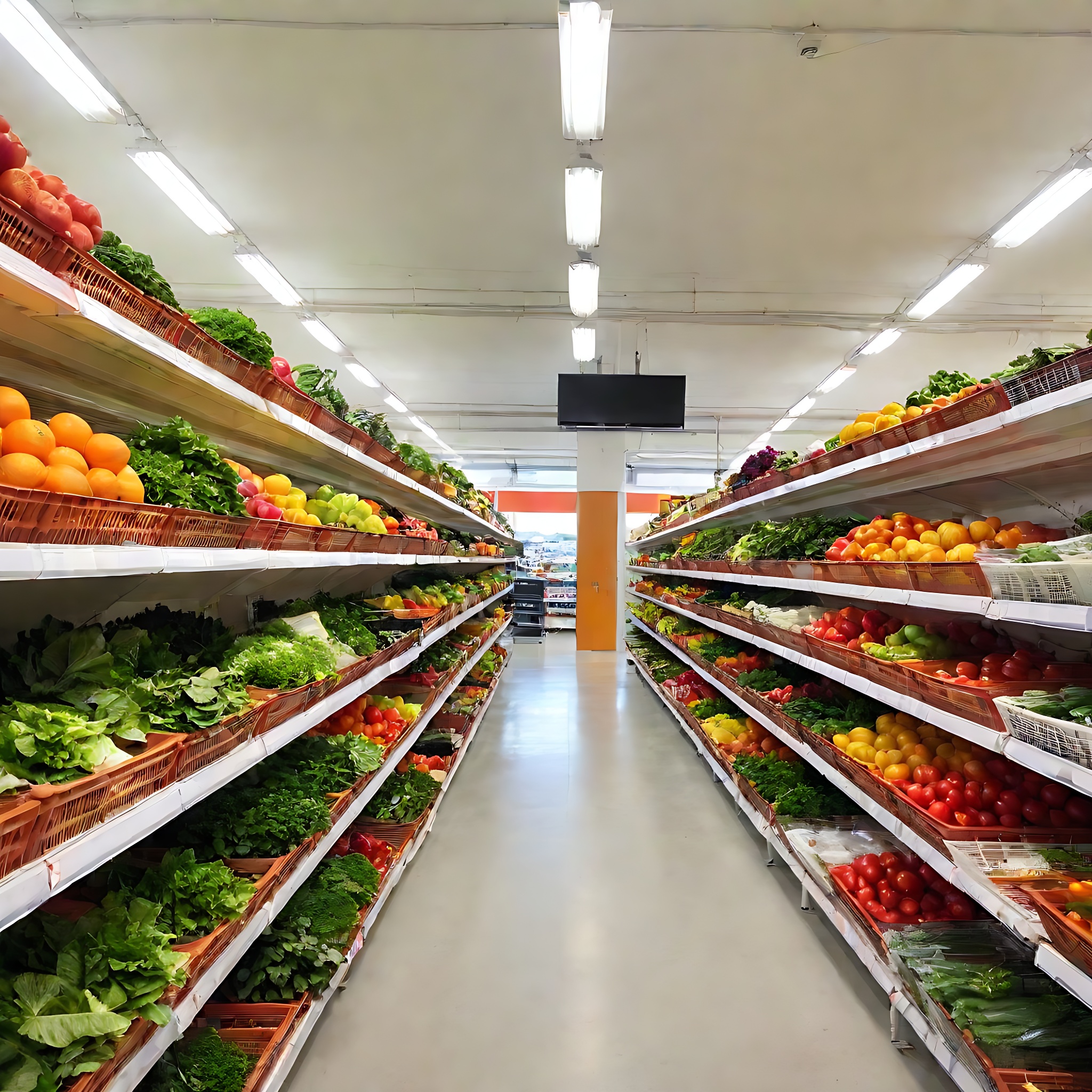
Discover the alarming differences between supermarket produce, local market goods, and locally grown chemical-free foods using regenerative agriculture.
In recent years, awareness about the impact of our food choices on health and the environment has grown significantly. As consumers become more informed, the demand for locally grown, chemical-free produce has surged. In this blog post, we will explore the key differences between produce from supermarkets, local markets, and regenerative farming.
Understanding Supermarket Produce
Supermarket produce often comes from large-scale industrial farms that prioritize high yields and long shelf life over nutritional quality. These farms frequently use synthetic fertilizers, pesticides, and herbicides to maximize production and control pests. While these methods increase the quantity of food produced, they can have several downsides:
- Nutrient Depletion: Intensive farming practices can deplete the soil of essential nutrients, leading to produce with lower nutritional value.
- Chemical Residues: The use of synthetic chemicals can leave residues on fruits and vegetables, which can be harmful to human health.
- Environmental Impact: These practices can contribute to soil degradation, water pollution, and loss of biodiversity.
Concerns with Produce in Local Markets
Recent inspections have raised concerns about the safety of fruits and vegetables sold in local markets. According to various reports, many products have been found to contain dangerous levels of pesticides:
- ANPC Inspections: The National Authority for Consumer Protection (ANPC) has initiated extensive inspections in markets across Romania to check for pesticide residues in fruits and vegetables.
- Testing Gaps: A report from Digi24 highlights the lack of comprehensive testing for toxic substances in fruits and vegetables, posing potential health risks.
The Benefits of Regenerative Farming and Locally Grown, Chemical-Free Produce
Locally grown produce, especially when cultivated using regenerative agriculture or permaculture principles, offers a stark contrast to supermarket and local market produce:
- Higher Nutritional Value: Studies have shown that fruits and vegetables grown without synthetic chemicals often have higher levels of vitamins, minerals, and antioxidants.
- Better Taste: Chemical-free produce tends to be fresher and more flavorful. Local farms often harvest produce at peak ripeness.
- Fewer Chemical Residues: By avoiding synthetic fertilizers and pesticides, chemical-free produce reduces the risk of ingesting harmful residues.
- Environmental Benefits: Sustainable farming practices focus on improving soil health, conserving water, and enhancing biodiversity.
The Importance of Eating Healthy Food
Choosing locally grown, chemical-free produce is a powerful way to support your health and the environment. By understanding the differences between supermarket produce, local market produce, and sustainably grown food, you can make more informed decisions that benefit both you and the planet.
Conclusion
The alarming truth about supermarket and local market produce highlights the urgent need to shift towards healthier, sustainable alternatives. Choosing chemical-free, locally grown produce nurtures your health and supports environmentally friendly farming practices.
Share This Post